
FOR IMMEDIATE RELEASE
Contact: Ryan McCauley
650-772-3644, rmccauley@openspace.org
North American River Otters Documented on the San Mateo Coast for the First Time in Over 100 Years
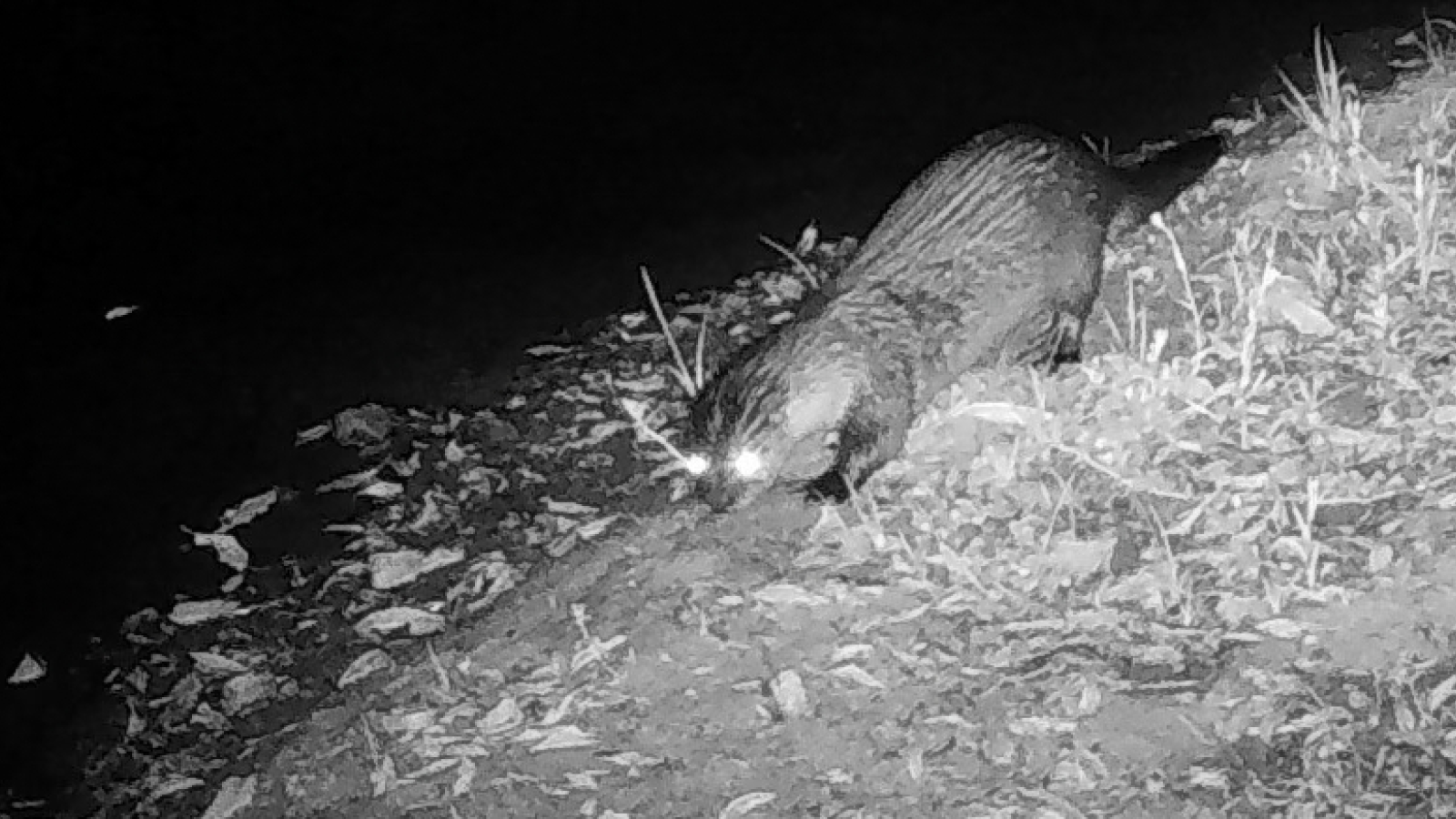
Los Altos, CA — Conservationists and wildlife researchers are celebrating a milestone in coastal ecology following the confirmation of a North American river otter (Lontra canadensis) within a closed area of the Cloverdale Ranch Open Space Preserve in Pescadero. Captured on a wildlife camera by independent researcher and Midpeninsula Regional Open Space District (Midpen) partner Ken Hickman, this sighting marks the first documented return of the species to the Pacific-facing side of the San Francisco Peninsula since the 1800s.
Historically, river otters ranged along the west coast of North America, from Alaska down to Santa Barbara County. However, the 19th-century fur trade and pollution decimated populations, creating severe geographic gaps in their historic habitats. While modern decades have seen a resurgence north of the Golden Gate and isolated appearances in the San Francisco Bay wetlands, Pacific-facing coastal sightings have remained virtually nonexistent.
“Checking wildlife cameras can be like Christmas, but river otters haven't been known to occur on the San Mateo Coast since the 1800s,” said Ken Hickman. “So I knew Midpen and State Parks biologists would be as surprised and interested as I was to see the photos.”
Beyond the excitement of the rare sighting, the sighting of the otter carries ecological significance. River otters thrive in clean water and areas with abundant food supplies, meaning they can only move into aquatic systems capable of supporting complex food webs.
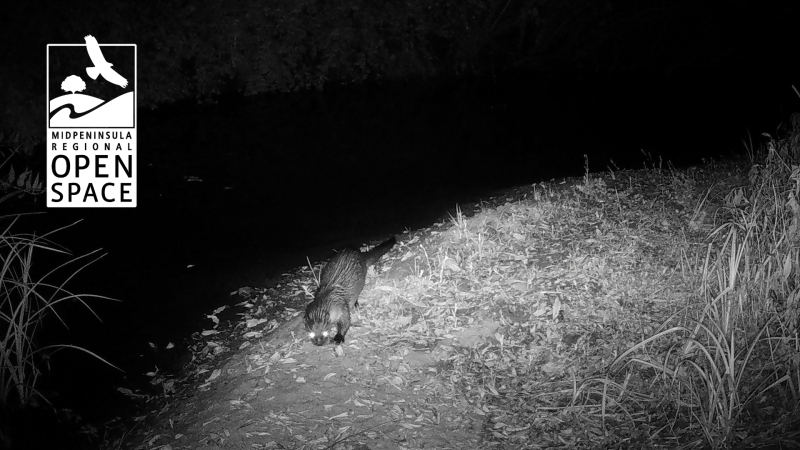
“River otters can serve as vital bioindicators,” said Midpen biologist Matt Sharp Chaney. “Their presence in Cloverdale Ranch Preserve and the reclamation of their historic range offers evidence of the species’ recovery post fur-trade in protected resilient landscapes that also support coho salmon and steelhead trout.”
The presence of otters in their historic habitat suggests the success of coordinated efforts to restore natural environments across the region. Prior to Midpen’s management of the preserve, the San Mateo County Resource Conservation District and Peninsula Open Space Trust completed in-stream pond and floodplain restoration projects in the area.
The return of native species like the river otter underscores how habitat preservation, watershed restoration and land stewardship create the essential connectivity wildlife needs to reclaim their historical footprint.
River Otter Ecology Project, a water conservation nonprofit that uses community science, field research, education and advocacy to protect waterways and support river otter recovery in the San Francisco Bay Area and across the United States, is delighted by this evidence of river otter range expansion in San Mateo County.
“If river otters are beginning to repopulate the San Mateo Coast, this marks another step in their recovery after going missing from much of the Bay Area in the early 1900s,” said Megan Isadore, Executive Director of River Otter Ecology Project. “This discovery suggests that what we have long expected is happening: river otters are making their way to excellent habitat along the San Mateo Coast. It reminds us that people have the knowledge and ability to protect and restore the habitats that allow river otters, and many other species, to recover. We must continue to support that recovery.”
River Otter Ecology Project encourages the public to submit river otter observations to Otter Spotter, its community science observations platform. Otter Spotter pools sightings and uses the data to support advocacy for better habitat management.
As conservation partners continue to monitor the area, this remarkable discovery serves as a powerful testament to the resilience of the natural world and the enduring importance of collaborative land preservation.