
What Wildlife Can Teach Us About Staying Cool
Published June 4, 2026
As summer heats up, both people and wildlife face the same challenges in open spaces:
how to stay cool, hydrated and safe during hot, dry days. Fortunately, the animals that call Midpen preserves home have spent thousands of years perfecting the art of heat adaptation through evolution. By observing their behaviors, we can pick up a few smart strategies for enjoying nature safely, even on the hottest days.
Use Your “Ears” to Cool Off
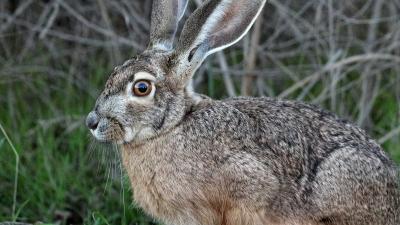
Look closely at a black-tailed jackrabbit on a hot day and you may notice its very large but thin ears. These oversized appendages are packed with small blood vessels which carry hot blood from the animal’s core to the surface, where the heat can dissipate into the cooler surrounding air. Humans can use heat exchange to our advantage as well by wearing breathable clothing, using hats that allow heat to escape and taking advantage of breezes. Just as the black-tailed jackrabbit relies on airflow across its ears, you can cool down by maximizing air circulation around your body.
Seek Out Shade
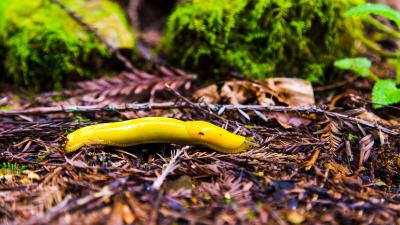
During hot, dry periods, banana slugs retreat to moist microhabitats – under logs, leaf litter and dense vegetation, or near water sources such as creeks or springs to prevent dehydration and overheating. Be like the banana slug and plan your hot-weather hikes around shaded trails with heavy canopy cover or near creeks. Use Midpen’s online Trail Explorer tool to find shady trails near you.
Enjoy the Outdoors When it’s Cool
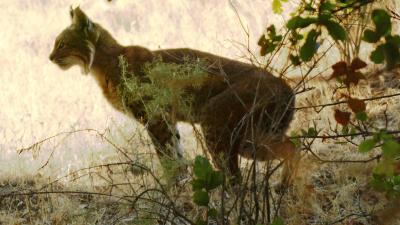
Larger predators like coyotes, bobcats and mountain lions often reduce daytime movement during heat waves. This helps them conserve energy and avoid unnecessary exertion. For humans, this means limiting your outdoor hours to cooler parts of the day such as early in the morning or the hours before sunset. Luckily, Midpen preserves are free and open daily one half-hour before sunrise and one half-hour after sunset.
Retreat Underground
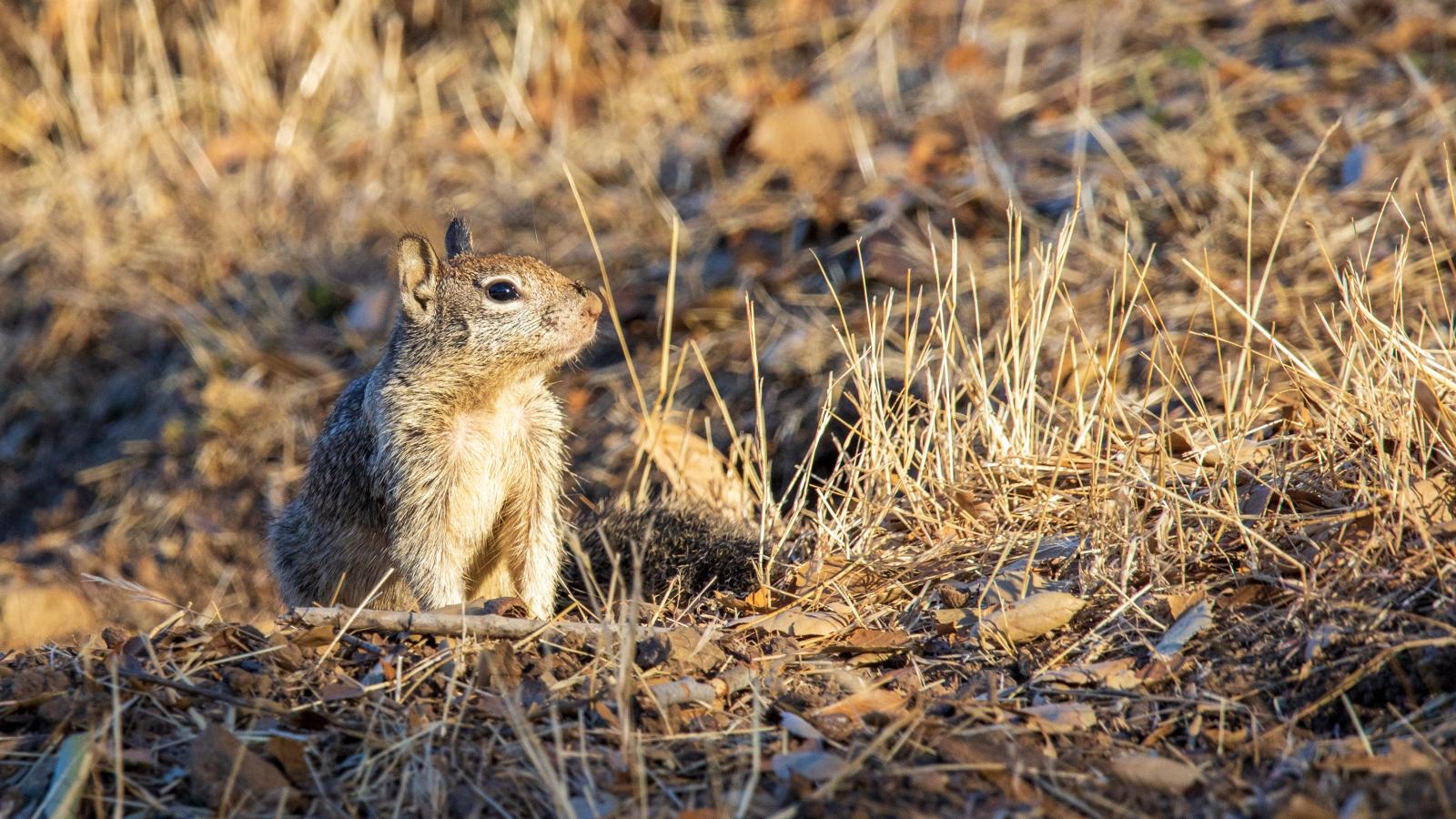
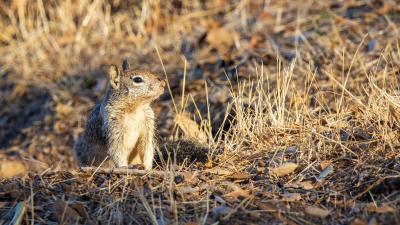
To escape the heat, some ground-dwelling creatures such as gophers, ground squirrels, snakes, lizards or certain insects will retreat underground or into crevices, where temperatures are cooler and more stable. Though we can’t dig a hole to escape the heat in open space, as humans we often have access to similarly climate-controlled spaces. During heat waves, consider remaining indoors until conditions are safer for outdoor recreation.
As you explore your local preserves this summer, take a moment to observe the amazing heat adaptations on display all around you.