
Revealing the Hidden Work of Restoration
Published March 5, 2026
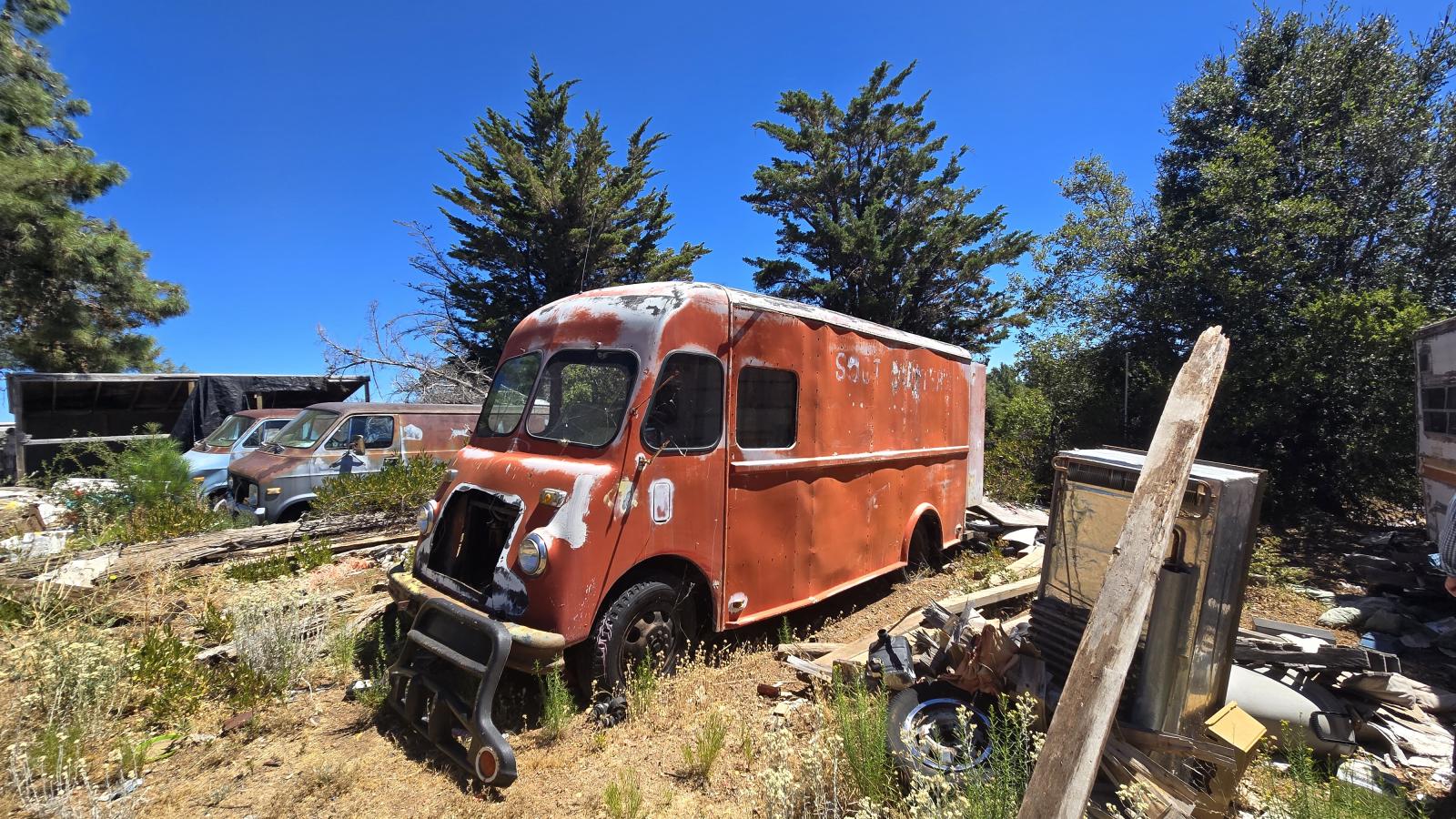
When Midpen acquires new land, we frequently inherit the heavy footprints of past uses by people. In some cases, these can include dilapidated structures, abandoned vehicles and decades of human debris.
Midpen recently wrapped up the restoration of several recently acquired properties totalling approximately 40 acres that were incorporated into Sierra Azul Open Space Preserve. Midpen crews worked to improve the health of these landscapes beginning with the removal of more than 900,000 pounds of human debris.
Teams carefully removed and disposed of any lead- and asbestos-containing building materials, as well as old septic systems to protect the health of the restoration workers and to ensure no pollutants entered the local watershed.
Specialists re-graded the land to mimic its natural, pre-development slopes to restore original drainage patterns. The final touch involved hand-seeding and spreading weed-free straw to jumpstart the return of native chaparral and forest.
“Our goal is to work in a way that supports the ecological well-being of the land,” said Midpen Capital Project Manager Ayden Sabharwal.
Not every human footprint from the past was removed. Old telephone poles were left standing because they can be used as nest-cavity sites by purple martins, a migratory swallow recently discovered to nest in the preserve.
Beyond wildlife habitat, this cleanup also supports the future Umunhum-to-the-Sea regional trail because the properties lie along the future trail corridor.