
Rare Fossil Found in Midpen Preserve
Published September 3, 2026
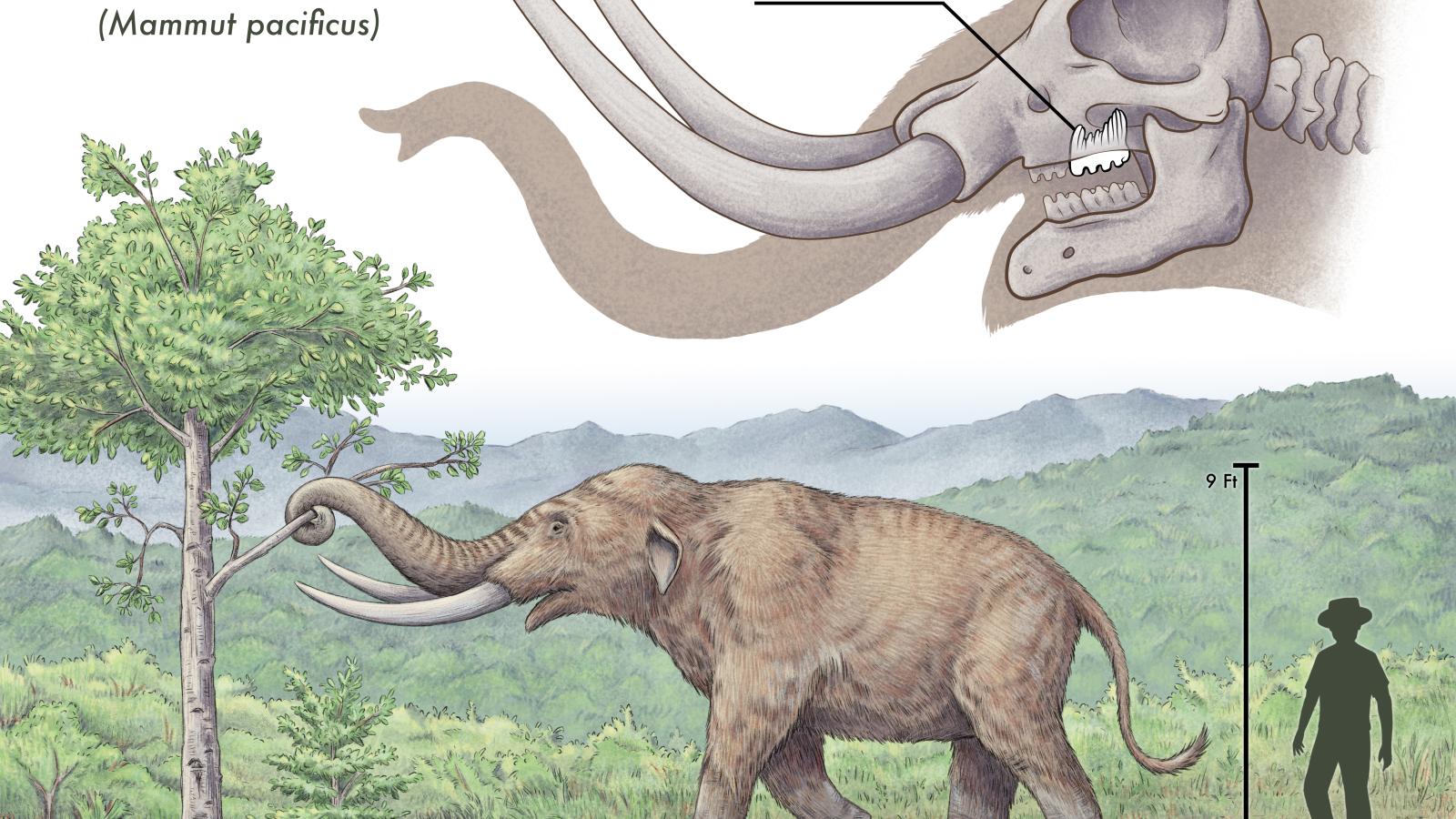
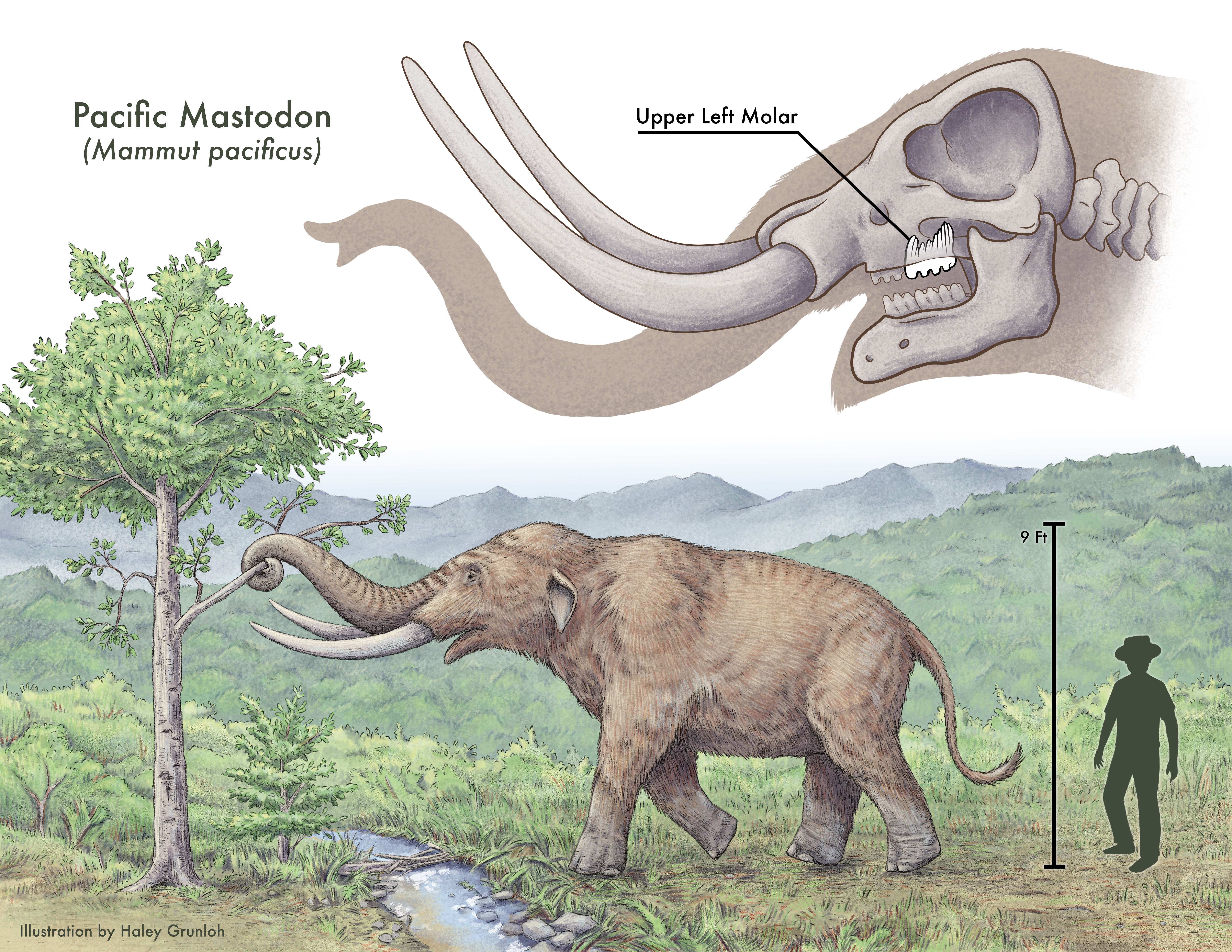
While out in a Midpen preserve working on a project to enhance habitat for the threatened California red-legged frog, Brigid Lynch made a surprising discovery in a creek bed: a massive, fossilized molar. What initially looked like an unusual rock turned out to be an exceptionally preserved adult tooth belonging to a Pacific mastodon (Mammut pacificus).
“I was down in the creek bed surveying rocks when I came across it and thought - that one is very weirdly shaped,” explained Lynch, a geomorphologist with Balance Hydrologics.
Not knowing exactly what she had discovered, she took a photo and continued with her surveying work. It wasn't until the next day, as Lynch was reviewing the photos, that she learned it was a prehistoric fossil.

“As a geologist, I've gone out and seen stuff in the field, but definitely nothing as exciting as this,” she added.
The Pacific mastodon is the newest species of mastodon to be recognized. Once thought to be identical to the widespread American mastodon (Mammut americanum), recent genetic and anatomical studies revealed that Pacific mastodons were distinct, featuring narrower teeth, thicker leg bones and other differences.
“The tooth itself is in immaculate condition. It's the most complete mastodon molar from our area, and the most spectacular mastodon molar that I've ever seen,” said Wayne Thompson, paleontologist and owner of Pacific Paleontology. “I had chills and shivers up and down my spine, so I was super happy to see this discovery because it can teach us a lot about the creatures themselves as a species and about this particular area. It's another puzzle in the Ice Age saga that we can put into place.”
These massive herbivores roamed this area during the Pleistocene epoch, spanning 2.5 million years ago until their extinction around 11,700 years ago. Unlike mammoths, which were also present in the area and fed on grasses, mastodons were considered browsers and used their massive trunks to strip leaves, soft shoots or fruits of high-growing and woody plants. Modern-day browsing wildlife include deer, moose, horses, elephants and giraffes.
“Alder [trees] were their favorite food,” said Thompson. “We find [mastodons] on occasional dig sites with alder material preserved in their mouths and stomachs.”
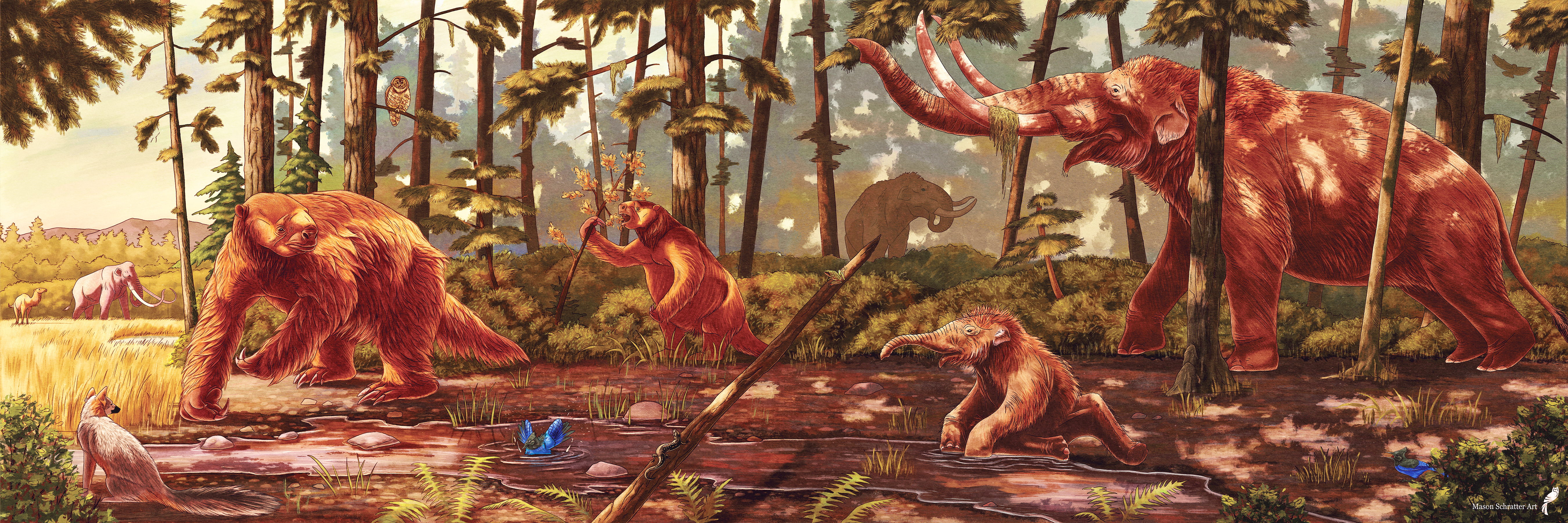
It’s easy to imagine the Pleistocene era as an alien world filled only with long-extinct wildlife and vastly different flora, but in many ways the ancient Bay Area landscape shares many of the same iconic wildlife and plants we see today.
“This creek valley was not too much different back then,” Thompson added. “However, the sea level was up to 300 feet lower during the various glacial peak periods of the Ice Age. Around 120,000 years ago, mammoths could walk out to the Channel Islands, and pygmy mammoth fossils are preserved there from that time period.”
While megafauna and mastodons vanished at the end of the Ice Age, they shared the creeks and hillsides with modern native species.
Mountain lions and bobcats may have stalked prey alongside now-extinct saber-toothed cats and dire wolves, adapting to smaller game as the large herbivores vanished. Tule elk, coyotes and American badgers likely roamed the valleys inhabited by mastodons and bison-sized Jefferson’s ground sloths.
Finding the remains of an extinct mastodon during a modern habitat improvement project serves as a powerful reminder of Midpen’s mission of protecting and restoring the natural environment.
“For me, this find is interesting in that a lot of the work that I do at Midpen is associated with trying to keep species from going extinct,” explained Midpen biologist Matt Sharp Chaney. “We work with a lot of threatened and endangered species, like San Francisco garter snake, California red-legged frog and the recently listed mountain lions in our region. This find highlights for me that the presence of mastodons wasn't that long ago, in geologic time. That mastodons were out here in the same landscape that I'm in today, 11,000 years ago roughly, really drives home how important the work we do is to keep species from winking out forever.”
To ensure this discovery serves the public and the scientific community, the tooth has been donated to Stanford University’s Doerr School of Sustainability’s collection. The tooth will be made available to researchers who plan to use carbon dating to determine when the mastodon lived, their exact diet and the local climate conditions of its era.
“Fossils are our only opportunity to see into past biodiversity,” explained Christine Garcia, Curator and Manager of the Geoscience Specimen Collection at Stanford. “We can study fossils to better understand Earth’s past, past wildlife and the ecosystem they were a part of, and to help us make better predictions and better decisions about how to help our ecosystems and biodiversity thrive into the future.”