
Conservation Grazing Can Support Rare and Common Blooms
Published March 5, 2026
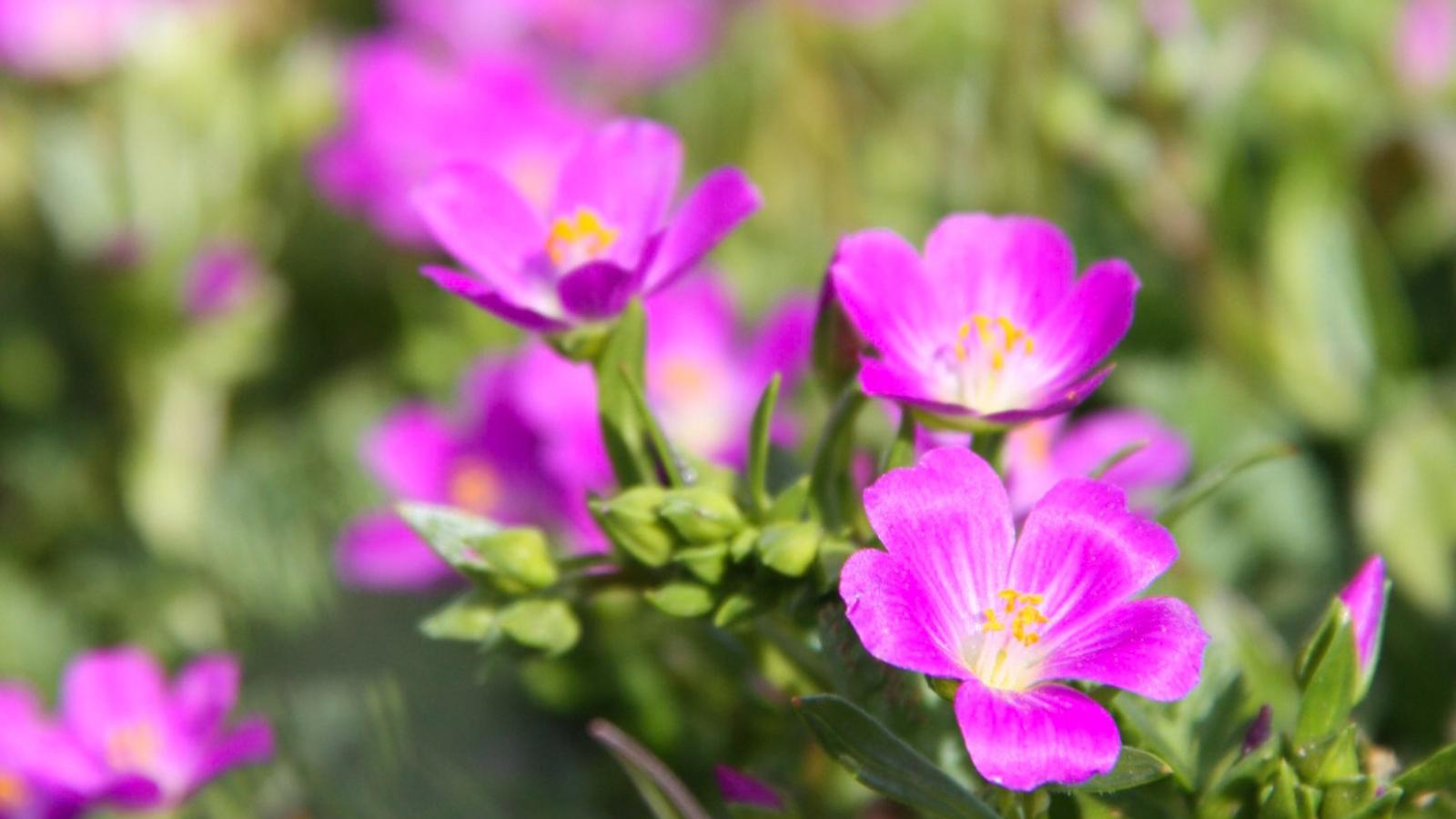
It’s the time of year when pinks, purples, yellows and blues begin to decorate the landscape at many of Midpen’s preserves. Wildflower season is a visual reminder of the diverse ecosystems throughout the Santa Cruz Mountains region. This diversity of habitats and the different plants and wildlife that rely on them are supported by a variety of land management strategies.
Conservation grazing is one such practice used by Midpen to protect and enhance biodiversity in coastal grasslands. The periodic disturbances caused by grazing create a favorable setting for grassland native plants and wildflowers to thrive. Historically, the disturbances that grassland ecosystems evolved with would have been caused by native wildlife herds as well as periodic natural fires and Native American burning practices. Today, cattle —carefully managed for conservation goals—can help provide that role in the ecosystem. These disturbances keep grasslands open and prevent them from being overtaken by shrubs and forests.
“Plants find success through a remarkable variety of different evolutionary strategies. Some are strong competitors. Others are very tolerant of stress and disturbance, which can help them avoid direct competition,” said Midpen Rangeland Ecologist and Botanist Lewis Reed.
Midpen’s conservation grazing program occurs in preserves on the San Mateo County coast, where Midpen’s unique coastal mission includes supporting viable agriculture. Today, these coastal grasslands are dominated by introduced species. As cattle graze on the often taller and more competitive introduced grasses, they allow sunlight to reach shorter native species and reduce competition for soil nutrients.
With improved access to the resources they need, these native plants and wildflowers are better equipped to grow and bloom across the grasslands in the springtime.
Grazing disturbances help support several rare wildflower species that occur on Midpen’s conservation grazing properties, including Pappose tarplant (Centromadia parryi ssp. parryi), popcorn flowers (Plagiobothrys chorisianus ssp. chorsianus and P. chorisianus ssp. hickmanii) and the locally rare tarplants (Hemizonia congesta ssp. lutescens and Deinandra fasciculata). These plants' grassland adaptations allow them to prosper in these spaces.
Suncups, California poppies, lupines and tidy tips are more common wildflowers that also benefit from the moderating effect of cattle grazing on exotic annual grasses by reducing competition. Their vibrant flowers dot Midpen grasslands and grazing areas in a myriad of colors during the spring.
Some trails in La Honda Creek Open Space Preserve and the Mindego Hill area of Russian Ridge Open Space Preserve overlap with pastures, allowing visitors to witness how wildflowers can thrive in areas with carefully managed conservation grazing.
Utilizing a diversity of land management strategies in Midpen preserves helps sustain native plant and wildlife species across the Santa Cruz Mountains and San Mateo County coast, including hundreds of wildflower species that bloom during the spring and summer.